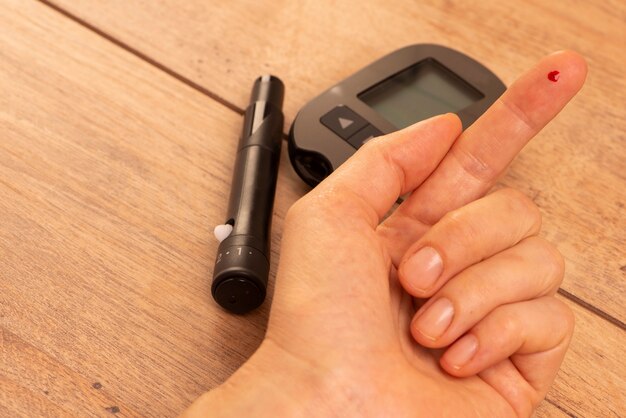
How Is Diabetes Diagnosed? A Comprehensive Guide to Diabetes Tests
Diabetes—a condition that's become increasingly familiar in households worldwide and can have significant impacts on everyday life. Whether you're concerned about your own health or someone else's, understanding how diabetes is diagnosed is an essential step in proactive health management. This guide delves deep into the world of diabetes tests, unraveling the mystery behind them to help you gain clarity.
Understanding Diabetes: A Brief Overview
Before diving into the testing methods, let's take a moment to understand diabetes itself. At its core, diabetes is a chronic health condition that affects how your body turns food into energy. This process hinges heavily on insulin, a hormone produced by the pancreas. When the body either doesn't produce enough insulin or cannot effectively use it, blood glucose levels rise, leading to diabetes.
There are mainly three types of diabetes:
- Type 1 Diabetes: Often diagnosed in children and young adults, it's an autoimmune condition where the body attacks insulin-producing cells in the pancreas.
- Type 2 Diabetes: Generally develops in adults over time, where the body becomes resistant to insulin or doesn't make enough of it.
- Gestational Diabetes: Occurs during pregnancy and is usually temporary, but increases the risk of developing type 2 diabetes later.
The Purpose of Diabetes Testing
The importance of testing cannot be overstated. Detecting diabetes early allows for timely interventions which can prevent complications. Knowing if you're diabetic, pre-diabetic, or at risk can help manage the condition through diet, exercise, and possibly medication. Here are the key reasons for diabetes testing:
- Early Detection: Identifies diabetes before symptoms appear.
- Risk Assessment: Evaluates susceptibility to developing diabetes.
- Management: Helps in monitoring blood sugar levels for those diagnosed.
The Tests for Diagnosing Diabetes
Let's unravel the various tests used to diagnose diabetes. Each test has its own methodology and significance in determining blood glucose levels.
1. Fasting Plasma Glucose (FPG) Test
Process: This test measures your blood sugar level after fasting for at least eight hours. It's often conducted in the morning after an overnight fast.
Significance: High levels of fasting plasma glucose indicate how your body manages blood sugar in a fasting state. It's a straightforward and common test used for diagnosing diabetes.
2. Hemoglobin A1c (HbA1c) Test
Process: The HbA1c test provides an average blood sugar level over the past two to three months. It measures the percentage of blood sugar attached to hemoglobin, the oxygen-carrying protein in red blood cells.
Significance: Considered a reliable measure, the HbA1c test not only helps diagnose diabetes but also assists in understanding long-term glucose control. A higher percentage usually suggests poorer blood sugar management.
3. Oral Glucose Tolerance Test (OGTT)
Process: In this test, your blood sugar level is measured before and two hours after consuming a sugary drink. This test requires preparation, as it measures the body's ability to manage glucose.
Significance: The OGTT is especially useful in diagnosing pregnancy-related diabetes (gestational diabetes) and reveals how efficiently glucose is processed.
4. Random Plasma Glucose Test
Process: This test measures blood sugar levels at any time of day without fasting.
Significance: Although not used routinely for diagnosis, it helps confirm diabetes when symptoms like increased thirst, frequent urination, or unexpected weight loss are present.
Related Topics: Interpreting Test Results
Understanding your test results is crucial for gauging your health status and deciding on the next steps. Here's how to interpret the numbers generally:
- Normal Range: Indicates regular blood sugar levels, with no immediate concerns.
- Pre-Diabetes: Suggestive of higher-than-normal but not high enough to be classified as diabetes; an opportunity to prevent or delay diabetes through lifestyle changes.
- Diabetes: High readings that call for a comprehensive management plan to monitor and control blood sugar levels.
Key Insight: Always consult healthcare professionals for test results interpretation tailored to individual health profiles.
The Role of Lifestyle in Testing
Testing is one part of the equation in understanding diabetes. Lifestyle has a significant impact on the outcomes of these tests. Consider these factors:
- Diet: A balanced diet can positively affect blood sugar levels, improving test results over time.
- Exercise: Regular physical activity enhances insulin sensitivity, aiding in blood sugar regulation.
- Weight Management: Maintaining a healthy weight is pivotal, especially in type 2 and gestational diabetes prevention and management.
Practical Tips on Monitoring and Prevention
Taking charge of your health with the right knowledge and tools can significantly influence outcomes. Here are practical tips:
- Routine Testing: Regular screening can help catch diabetes early, when it's most manageable.
- Healthy Eating: Incorporate whole grains, lean proteins, and plenty of vegetables into your diet.
- Staying Active: Include at least 150 minutes of moderate aerobic activity each week.
- Consult Healthcare Providers: Frequent check-ins help tailor a plan specific to your needs.
Quick Reference: Diabetes Testing Guide
Here��s a handy summary for easy reference:
| Test | Methodology | Key Insight |
|---|---|---|
| Fasting Plasma Glucose | 8-hour fasting | Assesses basic blood sugar management |
| Hemoglobin A1c | Blood sample | Reflects long-term blood sugar levels over 2-3 months |
| Oral Glucose Tolerance | Sugary drink test | Evaluates body's glucose processing ability |
| Random Plasma Glucose | Anytime test | Confirms diabetes in symptomatic individuals |
Moving Forward: Empowering Your Health
Imagine unlocking the potential to prevent or effectively manage diabetes through informed choices. While testing is fundamental in understanding your diabetic status, acting on the results is where real change happens. Empower yourself through knowledge, take steps to adjust lifestyle habits, and consistently engage with healthcare providers.
Conclusion Insight: Embrace a proactive attitude toward health, leveraging the power of knowledge and action to navigate diabetes with clarity and confidence. Armed with the right information, you're better equipped to make life-changing decisions that support a healthy, fulfilling life free from the complications of diabetes.