Navigating Seafood Choices for Diabetics: What to Avoid and Why
Embarking on a delicious seafood journey can be a delightful culinary experience, but for those managing diabetes, it's more than just about savoring flavors. Understanding which seafood options might pose risks and how to make healthier choices can significantly impact one's wellness journey. With diabetes affecting many individuals worldwide, making informed dietary decisions is crucial, especially when it comes to seafood, a staple in various diets. Let's dive into the world of seafood and identify which options might not be the best choices for diabetics.
Understanding Diabetes and Dietary Needs
The Connection Between Diet and Blood Sugar
For individuals with diabetes, managing blood sugar levels is a daily commitment. Diet plays a pivotal role in this management process, as certain foods can elevate blood sugar levels more than others. Seafood, generally low in carbohydrates, might seem like a perfect choice, but not all seafood is created equal when it comes to diabetes-friendly nutrition.
Nutritional Elements of Concern
When considering seafood, some of the key nutritional elements that diabetics need to monitor include:
- Sodium content: High sodium levels can lead to increased blood pressure, a risk for those managing diabetes.
- Saturated fats: While seafood is typically low in saturated fats, certain types might still contain levels that could affect cardiovascular health.
- Mercury levels: Some seafood is high in mercury, posing potential complications beyond just diabetes management.
Impact on Overall Health
For diabetics, selecting the right seafood can contribute positively to heart health, weight management, and overall well-being. Conversely, poor choices might lead to unwanted spikes in blood sugar and cholesterol, exacerbating diabetes-related complications.
Types of Seafood to Be Cautious About
Processed Seafood: Hidden Traps
Processed seafood options, like fish sticks or breaded shrimp, often contain added ingredients that are less than ideal for diabetics.
Concerns with Processed Seafood:
- Added sugars and carbs: Processing often involves additional carbs, used in coatings and sauces.
- Preservatives and additives: These can include sodium-heavy elements that impact blood pressure.
- Reduced nutritional value: Processing can strip seafood of its natural, beneficial nutrients.
Shellfish: Delicious but Risky
While shellfish such as shrimp, crab, and lobster are low in carbs, they can be high in cholesterol and sodium, which might not align well with diabetes and cardiovascular management.
Points to Consider with Shellfish:
- Cholesterol content: High cholesterol intake isn't advisable, especially for those concerned with heart health.
- Sodium levels: Shellfish is often served with added salt, which can elevate blood pressure.
High-Mercury Fish: Proceed with Caution
Certain fish like king mackerel, swordfish, and shark contain higher mercury levels, posing potential risks not only to diabetics but to overall health.
Why Mercury Matters:
- Toxicity risks: High mercury can affect kidney function, important for those with diabetes.
- Cognitive effects: Prolonged exposure can impact neurological functions.
Making Healthier Seafood Choices
Prioritizing Omega-3 Rich Fish
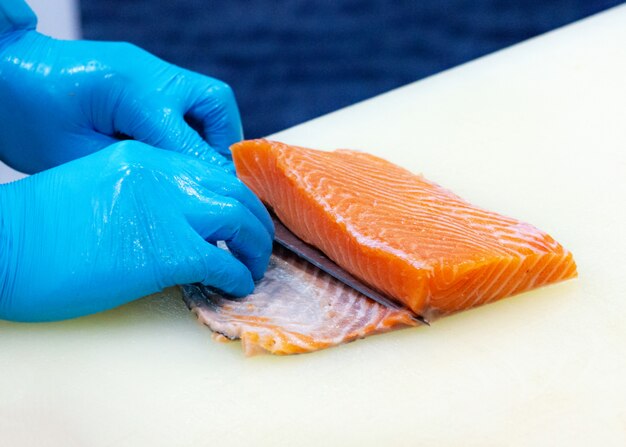
Fish high in Omega-3 fatty acids, such as salmon, sardines, and mackerel (in moderation due to its mercury content), are excellent choices for diabetics. Omega-3s contribute to cardiovascular health and aid in reducing inflammation.
Benefits of Omega-3s:
- Heart health support: Promotes good cholesterol levels.
- Anti-inflammatory properties: Reduces the risk of complications linked with diabetes.
Choosing Fresh Over Processed
Opt for fresh seafood whenever possible. Fresh fish is less likely to contain added sugars, preservatives, and sodium.
Advantages of Fresh Seafood:
- Nutrient retention: Maintains essential vitamins and minerals.
- Lower sodium levels: Naturally lower sodium, better for blood pressure management.
Exploring Plant-Based Seafood Alternatives
Plant-based seafood products are emerging as nutritious alternatives, providing similar textures and tastes without the downsides of cholesterol or mercury.
Benefits of Plant-Based Options:
- No cholesterol: Great for heart and blood health.
- Environmental impact: Often more sustainable than fish farming or overfishing.
Practical Seafood Tips for Diabetics
To seamlessly incorporate seafood into your diabetes-friendly diet, consider these practical tips:
- 🐟 Read labels carefully: Pay attention to nutritional information, especially sodium and carbohydrate content.
- 🌊 Diverse meal planning: Include a variety of seafood to get all the essential nutrients without overexposing to any contaminants.
- 🧂 Watch your seasonings: Limit the use of salt-heavy seasonings or sauces when preparing seafood.
- 🥦 Pair with veggies: Complement your seafood dishes with fiber-rich vegetables to balance blood sugar levels.
- 🔥 Opt for healthy cooking methods: Grill, steam, or bake rather than fry your seafood to limit unhealthy fat intake.
Exploring Related Dietary Considerations
Complementary Foods for a Balanced Diet
Balancing your seafood choices with other nutrient-rich foods can enhance diabetes management effectively. Consider incorporating whole grains, legumes, and plenty of vegetables to create a well-rounded plate.
Whole Grains vs. Refined Grains:
- Whole grains are complex carbohydrates which digest slower, causing gradual blood sugar increases.
Fruits for Diabetics:
- Opt for berries over higher-sugar fruits like bananas and grapes. Berries have fiber and antioxidants beneficial to health.
Utilizing Glycemic Indexes
Understanding the glycemic index of foods, including seafood accompaniments, can help diabetics manage how different foods affect their blood sugar levels.
Glycemic Index Insights:
- High Glycemic Foods: Potatoes and white rice can spike blood sugar; limit or pair them with lower-glycemic options.
- Low Glycemic Foods: Beans and lentils stabilize blood sugar and are excellent choices alongside seafood.
Concluding Thoughts: Making the Most of Your Seafood Choices
Diabetes management is a lifelong journey, and understanding the role of seafood within this journey can be both empowering and liberating. By being mindful of which seafood to avoid and which options to embrace, diabetics can enjoy the rich, delicious marine palette without compromising their health. Keep exploring, stay informed, and enjoy the bounty of the sea with confidence.
🥙 Seafood Selection Summary:
- Avoid: Processed seafood, high-mercury fish, and excessively salty shellfish.
- Embrace: Omega-3 rich fish like salmon and sardines, and consider fresh over processed options.
- Smart Pairing: Complement seafood with fibrous veggies and whole grains for balanced nutrition.
With these insights, you're well on your way to making informed, healthy seafood choices within your diabetes management strategy. Always consult with a healthcare provider for tailored advice, and relish the benefits of mindful eating.