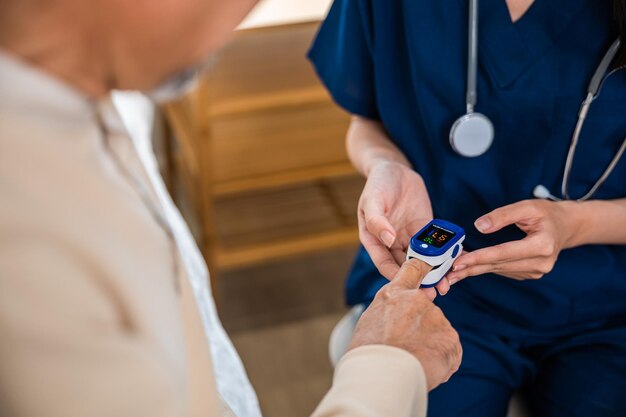
Understanding Limb Loss in Individuals with Diabetes: Causes and Prevention
Diabetes is a chronic health condition that affects millions globally, impacting everyday life in profound ways. One of the more severe consequences of this condition, though less talked about in mainstream conversations, is limb loss. This often occurs due to complications stemming from prolonged, unmanaged diabetes. But why does this happen, and more importantly, what can be done to prevent it? Let's dive into the multifaceted nature of this problem and explore potential preventive measures.
🧩 The Complex Connection Between Diabetes and Limb Loss
How Does Diabetes Affect the Body?
At its core, diabetes affects the body's ability to produce or effectively use insulin, a hormone crucial for regulating blood sugar. Over time, elevated blood sugar levels can lead to a range of health issues, from cardiovascular diseases to nerve damage. It's here, in these interconnected complications, that the roots of limb loss begin to grow.
The Role of Nerve Damage
One primary reason diabetics may face limb amputations is neuropathy. Neuropathy refers to the damage of nerves that can result in pain, tingling, or even numbness. With diabetes, peripheral neuropathy is particularly common. This affects the extremities, such as the feet and legs, often going unnoticed due to the reduced sensation.
- Key Insight: If you can't feel injuries, you might not take steps to heal them, allowing infections to worsen.
Circulatory Challenges
Diabetes can also lead to poor circulation due to the narrowing of blood vessels. This makes it hard for wounds to heal, providing a perfect environment for infections to thrive. When blood flow is compromised, essential nutrients and oxygen struggle to reach the extremities, compounding healing issues.
Infection and Its Consequences
Given the slow healing and loss of sensation, minor wounds can escalate into serious infections. Common culprits include ulcers, especially those found on the soles of the feet. If left untreated, infections might spread to the bone or become gangrenous, necessitating amputation as a last resort to save the patient's life.
🩺 Medical Insights into Prevention and Management
Proactive Health Monitoring
Regular check-ups are invaluable. For those living with diabetes, consistent health monitoring can significantly mitigate the risk of limb loss.
Foot Exams: Podiatrists often recommend routine foot examinations to catch potential issues early. Identifying problems before they escalate can be lifesaving.
Blood Flow Tests: These can determine how well blood is circulating to the extremities, offering insights into potential risks.
The Importance of Blood Sugar Control
Maintaining optimal blood sugar levels is vital. By doing so, you're not only safeguarding against nerve damage but also supporting overall circulatory health. Work with healthcare professionals to establish a suitable management plan, which might include:
Dietary Adjustments: Embracing a balanced diet rich in whole foods can stabilize blood sugar levels.
Regular Exercise: Physical activity promotes circulation and helps maintain a healthy weight.
Addressing Lifestyle Factors
For many, certain lifestyle changes can play a pivotal role in prevention.
Smoking Cessation
Smoking exacerbates circulatory problems and accelerates complications in diabetics. Quitting smoking is a powerful step toward improving circulation and promoting overall health.
Mindful Foot Care
Taking small, consistent actions can prevent complications:
- Wash and dry feet carefully every day.
- Check for cuts, sores, or other abnormalities regularly.
- Wear appropriately fitting shoes to prevent unnecessary friction or pressure.
Early Intervention and Technology
The advent of medical technologies offers a glimmer of hope in early detection and intervention. Modern devices and apps can now help monitor blood sugar levels and encourage daily foot checks through reminders and alerts. By embracing these advancements, those with diabetes can remain proactive rather than reactive.
🎯 Summary and Preventive Tips at a Glance
Here’s a quick summary of practical steps to help mitigate the risk of limb loss for those managing diabetes:
- 🧡 Monitor Regularly: Keep tabs on blood sugar levels and watch for early signs of neuropathy.
- 👟 Prioritize Foot Health: Daily checks and proper footwear can make all the difference.
- 🎯 Stay Active: Regular physical activity supports circulation and overall well-being.
- 🚭 Quit Smoking: Improve circulation by saying no to cigarettes.
- 🥗 Embrace a Balanced Diet: Opt for nutrient-rich foods to help regulate blood sugar naturally.
Building a Supportive Environment
Educational Initiatives
Education is a powerful tool. By spreading awareness about the risks associated with diabetes and the simple, preventative measures that can be taken, communities can collectively work towards reducing limb loss. This can be achieved through:
Workshops and Seminars: Conduct community-focused events to teach individuals how to spot early warning signs and understand the importance of routine health checks.
Support Groups: Encouraging those with diabetes to join support networks can foster a space for sharing experiences, advice, and motivation to maintain healthy practices.
Community Resources
Many communities offer resources specifically aimed at helping individuals with diabetes. These might include:
- Diabetes Clinics: Offering specialized care and advice.
- Local Health Programs: Providing access to nutritionists and fitness professionals for tailored advice.
Leveraging Online Platforms
Digital platforms, forums, and apps dedicated to diabetes management are abundant. They empower users with the latest information, trends, and studies. Engaging with online communities can provide:
- Peer Support: Sharing struggles and successes with those in similar situations.
- Timely Advice: Receiving updates on the latest management techniques and technologies.
Empowering Individuals with Knowledge and Tools
Ultimately, empowering individuals with diabetes to take charge of their health is crucial. By equipping themselves with the right tools and knowledge, not only can they reduce the risk of limb loss, but they can also improve their overall quality of life.
The path to preventing complications from diabetes lies in awareness, proactive management, and leveraging both traditional and modern resources. Understanding these facets can drive impactful change, empowering individuals to live full, healthy lives without the looming risk of limb loss.